
the Genome.
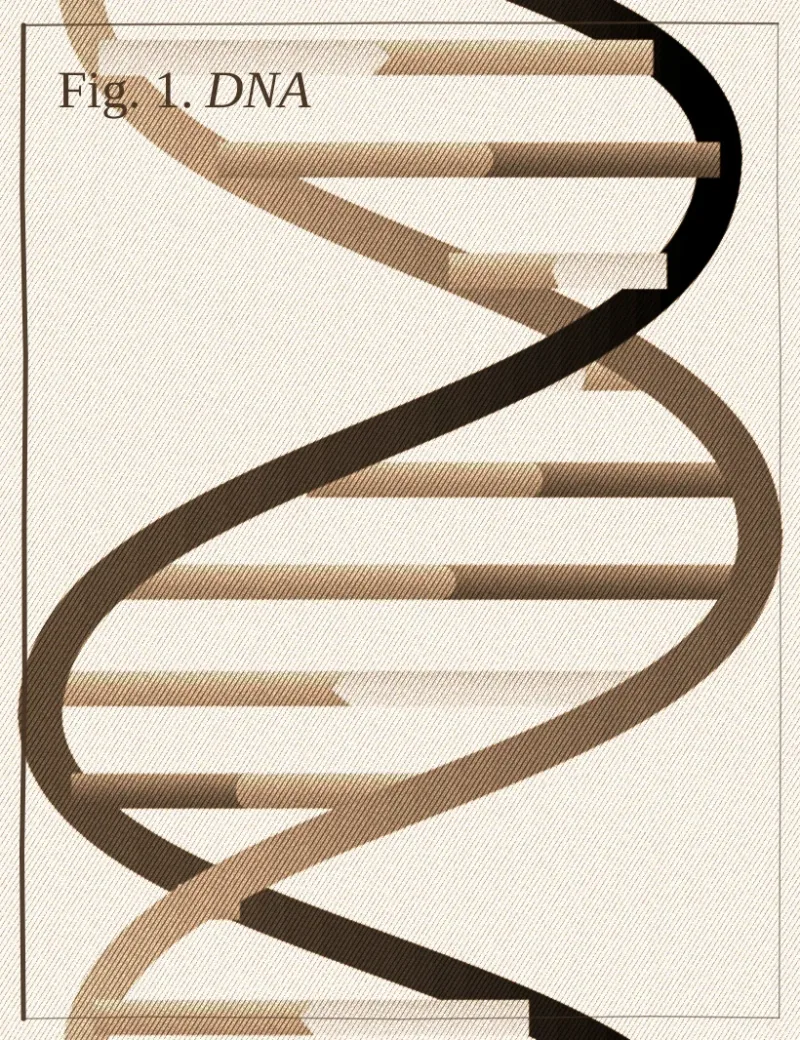
The DNA. Every cell carries versioned instructions it can read, and rewrite.
no one place enforces the rules
56%
no centralized control layer
56% of enterprises surveyed have no centralized control layer between users or agents and the models they call, so there is no common policy enforcement point.
You are renting your AI's brain, and you cannot see inside it.
Today an AI agent's instructions are a prompt you edit in place, with no versions, no audit trail, and a vendor you do not control shaping it. When its behavior changes, you cannot see what changed, who changed it, or how to put it back. The intelligence is real, but how it behaves is a black box.
where today falls short
A prompt is not a version.
You can always retype an instruction. What you cannot do is go back to the version that worked, see exactly what changed between then and now, have someone check a change before it goes live, or take something that works for one team and give it to everyone. So every edit starts from scratch. Every other kind of software your company runs already solved that.
The blueprint
A cell's code, written down.
Every cell runs on a genome A cell's complete set of DNA, every gene in the full instruction set it inherits and runs on., made of its identity, role, rules, skills, and hooks, each versioned and inherited. Like DNA, it is readable, forkable, and passed on intact, so a cell is never a black box. The diagram below shows a genome composing.
the answer
Each cell is defined, not hardcoded. Its genome is versioned like software.
A cell's rules, skills, identity, and hooksA rule that fires automatically at a set moment, such as before a write or at the end of a session, so it never depends on someone remembering to run it. are a set of independently versioned packagesOne versioned part of a cell, such as its rules, its skills, its identity, or its hooks. A cell is assembled from several, and each one is updated on its own., each pinnedHeld at one exact version. It cannot move on its own, and when someone does move it, the move is recorded. to one exact version and deployed like software releases by a reconcilerA process that compares what should be true against what is, and fixes the gap, so configuration never quietly drifts.. And the loop closes both ways. A cell can edit its own genome, and that edit can be captured, reviewed, and promoted back into the canonical source of truthThe one copy that counts. Every other copy is expected to match it, and when they disagree, it wins.. Every version is on the record, and a better version can express itself and deploy.
more than a prompt
What a genome has that a prompt doesn't.
A prompt is one editable string. A genome is versioned parts, released on the record, and able to improve itself and have the improvement stick.
Versioned parts.
!Today A lone agent's instructions are one un-versioned prompt you overwrite in place.
the cell Its brain is a set of versioned packagesOne versioned part of a cell, such as its rules, its skills, its identity, or its hooks. A cell is assembled from several, and each one is updated on its own., rules, skills, identity, and hooksA rule that fires automatically at a set moment, such as before a write or at the end of a session, so it never depends on someone remembering to run it., each pinnedHeld at one exact version. It cannot move on its own, and when someone does move it, the move is recorded. to one exact version. Most run the fleet-wide default; a per-agent override is a deliberate, recorded choice.
It deploys, and it tells you when a deploy failed.
!Today A lone agent changes a prompt and hopes; nothing records that anything shipped.
the cell Every apply is a recorded release, and even a failed apply lands on the record instead of vanishing. You can see exactly what shipped, when, and whether it landed.
The self-edit loop closes.
!Today A lone agent cannot improve its own definition and have the improvement stick.
the cell A cell edited its own skill file, the reconcilerA process that compares what should be true against what is, and fixes the gap, so configuration never quietly drifts. caught the change as drift, and it was reviewed and promoted back into the shared source of truthThe one copy that counts. Every other copy is expected to match it, and when they disagree, it wins.. This path is deliberately governed and low-volume, not autonomous mass self-modification.
from our own systems
The genome, versioned today
These are not diagrams of a plan. They are the organism versioning its own definition, with config releases cut and recorded, cells each running a set of versioned packagesOne versioned part of a cell, such as its rules, its skills, its identity, or its hooks. A cell is assembled from several, and each one is updated on its own., and a governed self-edit loop where a cell's own change is captured and promoted back to the source of truthThe one copy that counts. Every other copy is expected to match it, and when they disagree, it wins..
KeyA green value is real, from our own database, as of Oct 8, 2026; in the diagrams, green marks a committed write.
cut, applied, recorded
1,005A real count from our own database, shown as proof rather than a claim. It is a dated snapshot, captured Oct 8, 2026.
config releases cut, applied and failed on the record
- Releases that reached their cell and applied cleanly.
- Applies that did not land. They stay on the record rather than being dropped, which is why the two parts sum to every release cut.
a real count from our own database, as of Oct 8, 2026
under the reconciler
10
cells running a versioned genome
the self-edit loop
4
self-edit rows, kept on the record
a cell proposing a change to its own genome, reviewed before it lands
zoom in
Down to a single rule
A cell is defined by its manifestThe list of exactly which package versions a cell should be running. The reconciler reads it and makes the cell match., the list of versioned packagesOne versioned part of a cell, such as its rules, its skills, its identity, or its hooks. A cell is assembled from several, and each one is updated on its own. it runs. Each package is pinnedHeld at one exact version. It cannot move on its own, and when someone does move it, the move is recorded. to one exact version, and the rule files sit in packages of their own. One rule file is the smallest strand of the genome, and a change to it is versioned, reviewed and released like any other piece of software.
- a cellone worker in the organism
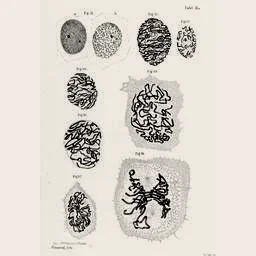
×1 - its manifestthe list of versioned packages that define it
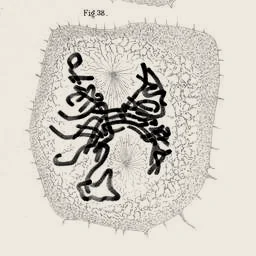
×2.5 - one packagepinned to one exact version
×8 - one rule filea file of instructions, the smallest strand of the genome
×14
Curious how a layer like this would fit your own records?